
Empower your retail and eCommerce business with ERPNext, a comprehensive cloud-based ERP solution designed to streamline inventory management, sales, procurement, order fulfillment, and customer engagement. Gain real-time visibility across all sales channels, and deliver exceptional customer experiences.
Retail & eCommerce

Key Modules & Features
for Retail & eCommerce
Inventory Management
Track stock levels in real time across multiple stores, warehouses, and sales channels.
Point of Sale (POS)
Process sales quickly with an integrated POS system that syncs inventory and customer data automatically.
eCommerce Integration
Manage online and offline sales from a single platform for a seamless omnichannel experience.
Order Management
Automate order processing, fulfillment, returns, and delivery tracking to improve customer satisfaction.
Procurement
Optimize purchasing, manage suppliers efficiently, and prevent stock shortages or overstocking.
Reporting & Analytics
Gain insights into sales performance, inventory turnover, customer trends, and profitability.
Integration with Third-Party Applications
Extend the capabilities of ERPNext by seamlessly integrating with third-party applications and business tools. Connect your ERP system with banking platforms, eCommerce stores, communication tools, and other business-critical systems to automate workflows, eliminate data silos, and improve operational efficiency.
Payment Gateways
Integrate ERPNext with leading payment gateways such as Mpesa, MTN Momo, Boya etc to securely process online payments & reconcilliation.
Compliance Tools
Stay compliant with industry regulations and local tax requirements through automated compliance management.

How ERPNext Eliminates Common Retail & eCommerce Challenges
1. Inventory Inaccuracies
Challenge:
Stock discrepancies lead to lost sales, overstocking, and dissatisfied customers.
Solution:
ERPNext provides real-time inventory tracking across stores, warehouses, and online channels to ensure accurate stock levels.
2. Order Processing Delays
Challenge:
Manual order handling slows fulfillment and increases errors.
Solution:
ERPNext automates order management, fulfillment, invoicing, and delivery tracking for faster, error-free processing.
3. Disconnected Sales Channels
Challenge:
Managing online and offline sales separately creates data silos and operational inefficiencies.
Solution:
ERPNext unifies retail stores, eCommerce platforms, and POS systems into a single integrated platform.
4. Poor Customer Experience
Challenge:
Limited customer insights make it difficult to personalize service and build loyalty.
Solution:
ERPNext centralizes customer data, purchase history, and interactions to enhance engagement and retention.
5. Stockouts and Overstocking
Challenge:
Inaccurate demand forecasting results in excess inventory or product shortages.
Solution:
ERPNext uses sales trends and inventory data to improve demand planning and replenishment decisions.
6. Lack of Business Visibility
Challenge:
Retailers struggle to make informed decisions without real-time performance data.
Solution:
ERPNext delivers customizable dashboards and reports for sales, inventory, profitability, and operational insights.
7. Inefficient Supplier Management
Challenge:
Poor procurement processes can lead to delayed deliveries and increased costs.
Solution:
ERPNext streamlines supplier management, purchase orders, and procurement workflows to improve efficiency.
8. Managing Multiple Stores
Challenge:
Monitoring inventory, sales, and operations across multiple locations is complex.
Solution:
ERPNext provides centralized multi-store management with real-time visibility into all retail operations.
Why Businesses Choose ERPNext Over Traditional ERP Systems
Discover how ERPNext delivers greater flexibility, lower costs, faster implementation, and complete business visibility compared to conventional ERP solutions, helping organizations streamline operations and accelerate growth.
1. Open-Source ERP with Lower Total Cost of Ownership
ERPNext provides enterprise-grade ERP capabilities without the high licensing fees associated with traditional ERP systems. Businesses can reduce implementation, subscription, and maintenance costs while retaining full control over their ERP environment.
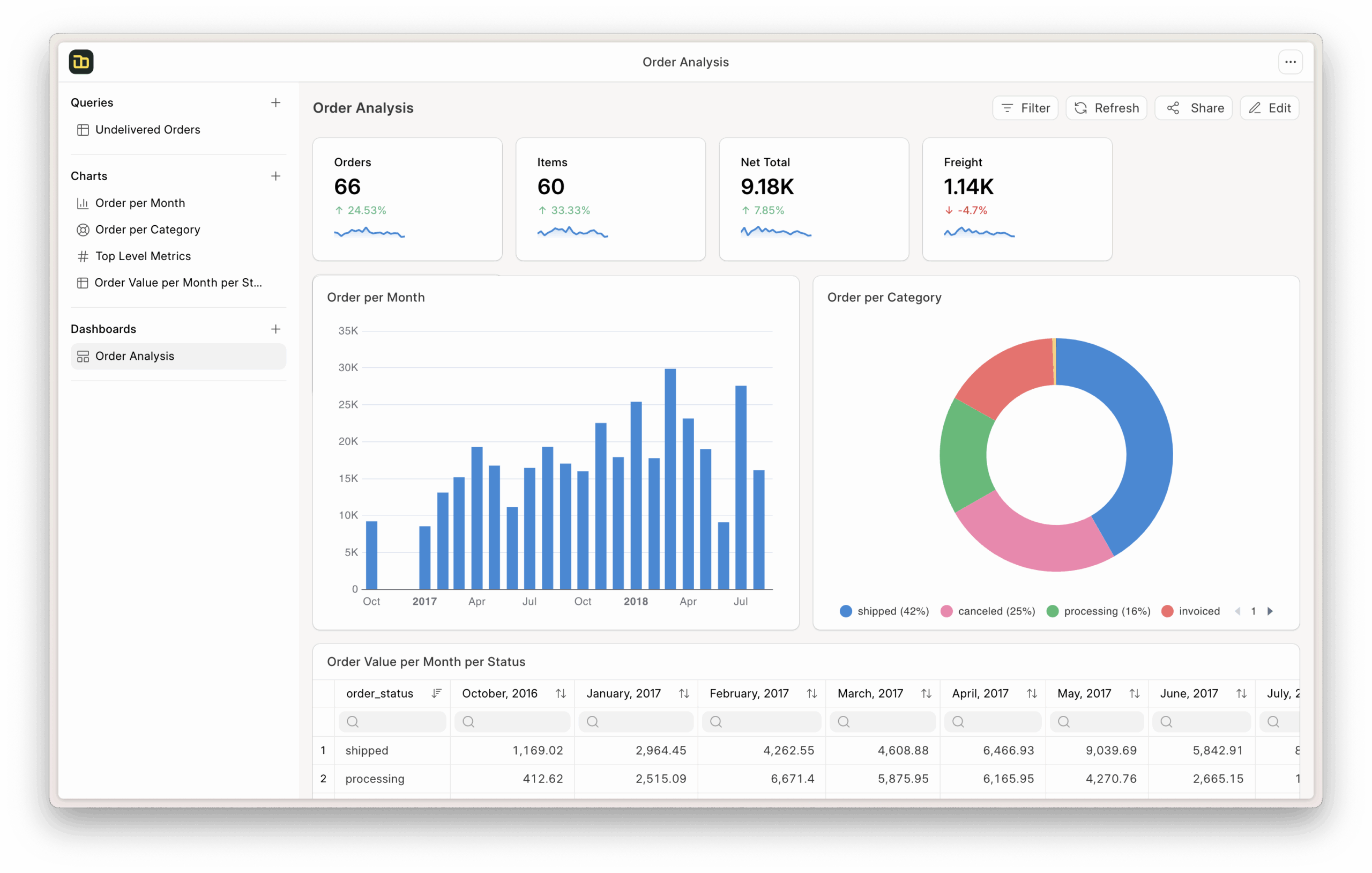
2. Fully Integrated Business Management Platform
Unlike many ERP solutions that require multiple add-ons, ERPNext combines Accounting, CRM, Sales, Inventory, Manufacturing, HR, Projects, and more within a single unified platform. This eliminates data silos and improves operational efficiency.

3. Faster User Adoption with an Intuitive Interface
ERPNext features a modern, user-friendly interface that is easy to learn and navigate. Employees require less training, enabling faster adoption and improved productivity across departments.
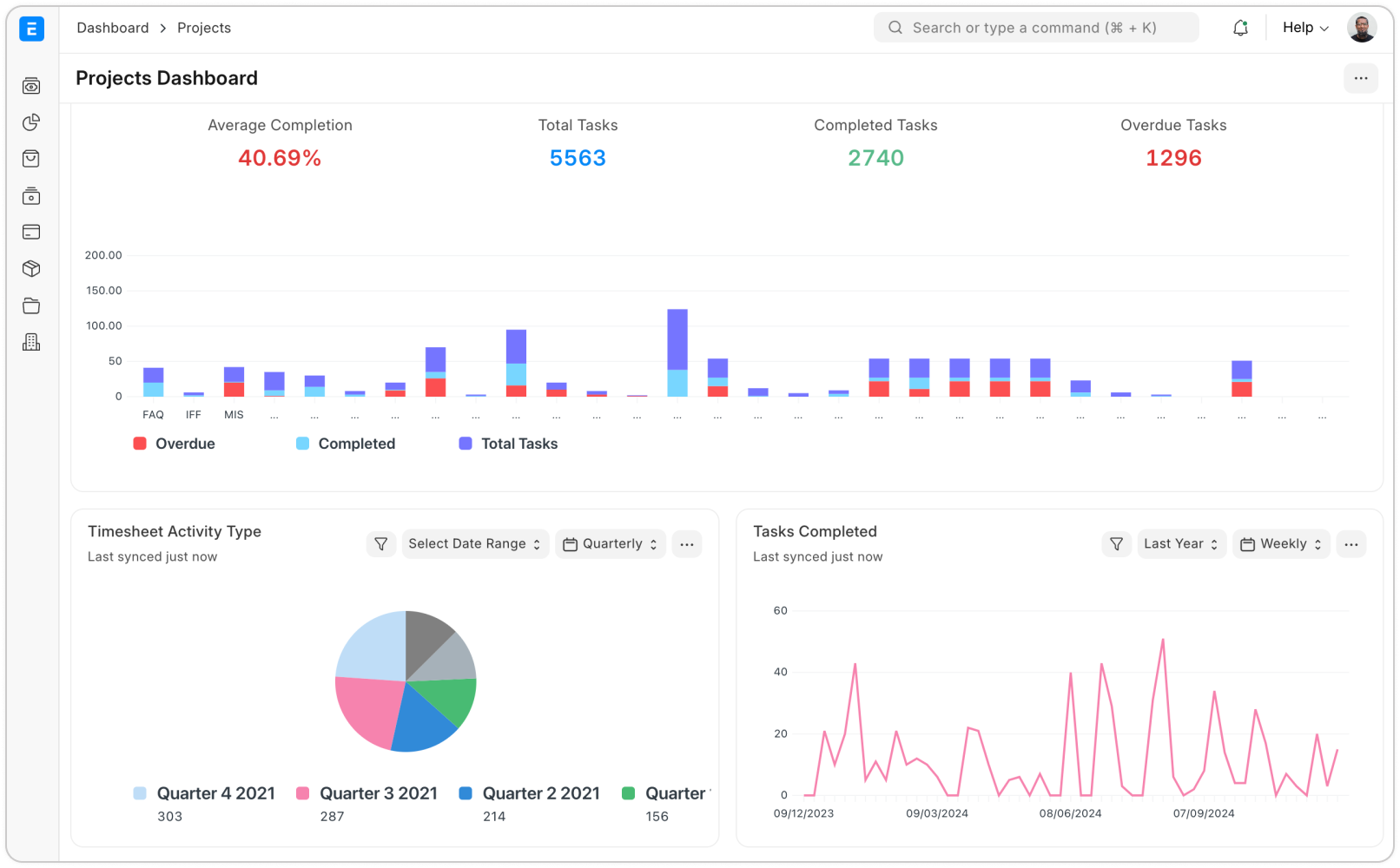
4. Scalable Cloud ERP for Growing Businesses
Whether you’re a startup, SME, or large enterprise, ERPNext grows with your business. Its scalable architecture supports increasing users, transactions, locations, and business complexity without compromising performance.
