
Empower your service and consulting business with ERPNext, a unified platform for project management, resource planning, timesheet tracking, billing, and client engagement. Streamline operations, improve visibility, and connect projects, finances, and customer relationships to boost productivity, enhance client satisfaction, and drive sustainable growth.
ERPNext for Healthcare

Key Modules & Features
1. Patient Records Management
Centralized Patient Records
Electronic Medical Records (EMR)
Digitize patient information to eliminate paperwork, improve data accuracy, and ensure healthcare professionals can access records whenever needed.
Medical History Tracking
Maintain comprehensive patient histories, including consultations, treatments, allergies, and medications, to support informed clinical decisions.
Secure Data Management
Protect sensitive patient information with role-based access controls, audit trails, and secure data storage to maintain confidentiality and compliance.
2. Appointment & Patient Scheduling
Appointment Scheduling
Automated Reminders
Send automated appointment reminders via email or SMS to reduce no-shows and improve patient attendance rates.
Doctor & Resource Scheduling
Optimize physician schedules, consultation rooms, and healthcare resources to improve service delivery and operational efficiency.
Patient Queue Management
Streamline patient flow and reduce waiting times with organized scheduling and queue management processes.
3. Healthcare Inventory
Medical Supply Tracking
Automated Stock Replenishment
Prevent stock shortages and overstocking through automated inventory planning and replenishment workflows.
Batch & Expiry Tracking
Track medicine batches and expiration dates to improve compliance, patient safety, and inventory control.
Multi-Location Inventory Control
Manage inventory seamlessly across hospitals, clinics, pharmacies, and healthcare facilities from a centralized platform.
4. Billing & Finance
Patient Billing
Generate accurate invoices for consultations, procedures, medications, and healthcare services with minimal manual effort.
Insurance Management
Simplify insurance claims processing, approvals, reimbursements, and policy tracking through integrated workflows.
Payment Tracking
Monitor payments, outstanding balances, and financial transactions to improve revenue collection and financial visibility.
Financial Reporting
Access real-time financial reports and dashboards to support budgeting, profitability analysis, and strategic planning.
5. Laboratory & Diagnostics
Lab Test Management
Manage laboratory requests, testing workflows, and result processing efficiently from a centralized system.
Diagnostic Reporting
Generate accurate and timely diagnostic reports that can be shared securely with healthcare providers and patients.
Sample Tracking
Track laboratory samples throughout the testing lifecycle to improve traceability and operational efficiency.
Integrated Patient Records
Automatically link diagnostic results to patient records, providing healthcare professionals with complete patient information.
6. Staff & Workforce
Employee Records Management
Maintain comprehensive employee records, qualifications, certifications, and employment information in one place.
Attendance Tracking
Track staff attendance, shifts, leave requests, and working hours to improve workforce management and accountability.
Payroll Management
Automate payroll calculations, deductions, benefits, and salary processing for healthcare staff.
Performance Monitoring
Measure employee performance and productivity to support workforce development and operational excellence.
7. Reporting & Analytics
Operational Dashboards
Access real-time dashboards that provide visibility into patient care, financial performance, staffing, and operations.
Patient Care Analytics
Analyze treatment outcomes, patient trends, and service performance to improve healthcare delivery.
Resource Utilization Reports
Monitor facility, equipment, and workforce utilization to optimize resource allocation and efficiency.
Data-Driven Decision Making
Leverage actionable insights and healthcare analytics to make informed decisions and improve organizational performance.
Integration with Third-Party Applications
Extend the capabilities of ERPNext by seamlessly integrating with third-party applications and business tools. Connect your ERP system with banking platforms, eCommerce stores, communication tools, and other business-critical systems to automate workflows, eliminate data silos, and improve operational efficiency.
Payment Gateways
Integrate ERPNext with leading payment gateways such as Mpesa, MTN Momo, Boya etc to securely process online payments & reconcilliation.
Compliance Tools
Stay compliant with industry regulations and local tax requirements through automated compliance management.

How ERPNext Eliminates Common Healthcare Challenges
1. Inefficient Patient Record Management
Challenge:
Managing patient records across multiple systems can lead to delays, errors, and incomplete information.
Solution:
ERPNext centralizes patient data, medical histories, appointments, and billing information in a single secure platform.
2. Appointment Scheduling Conflicts
Challenge:
Manual scheduling often results in missed appointments, double bookings, and administrative inefficiencies.
Solution:
ERPNext automates appointment scheduling, reminders, and calendar management to improve patient experience and resource utilization.
3. Medical Inventory
Challenge:
Poor inventory management can lead to stockouts of critical medicines and medical supplies.
Solution:
ERPNext provides real-time inventory tracking, automated replenishment, and expiry date monitoring to ensure supply availability.
4. Complex Billing & Insurance Processing
Challenge:
Managing patient billing, insurance claims, and payments can be time-consuming and error-prone.
Solution:
ERPNext streamlines billing workflows, insurance management, payment tracking, and financial reporting.
5. Regulatory Compliance Challenges
Challenge:
Healthcare providers must comply with strict regulations and maintain accurate records.
Solution:
ERPNext helps organizations maintain audit trails, documentation, and reporting required for regulatory compliance.
6. Lack of Operational Visibility
Challenge:
Limited visibility into hospital operations makes it difficult to optimize resources and improve efficiency.
Solution:
ERPNext delivers real-time dashboards and reports for patient care, finances, inventory, and operational performance.
7. Patient Records Management
Challenge:
Paper-based records and disconnected systems make it difficult to access accurate patient information, leading to delays in care and administrative inefficiencies.
Solution:
ERPNext centralizes patient records, medical histories, treatment plans, prescriptions, lab results, and clinical notes in a secure unified digital system, enabling efficiency.
7. Resource & Staff Management Issues
Challenge:
Managing healthcare staff schedules, attendance, and workloads can be complex.
Solution:
ERPNext simplifies workforce management with employee scheduling, attendance tracking, payroll, and performance monitoring.
Why Businesses Choose ERPNext Over Traditional ERP Systems
Discover how ERPNext delivers greater flexibility, lower costs, faster implementation, and complete business visibility compared to conventional ERP solutions, helping organizations streamline operations and accelerate growth.
1. Open-Source ERP with Lower Total Cost of Ownership
ERPNext provides enterprise-grade ERP capabilities without the high licensing fees associated with traditional ERP systems. Businesses can reduce implementation, subscription, and maintenance costs while retaining full control over their ERP environment.
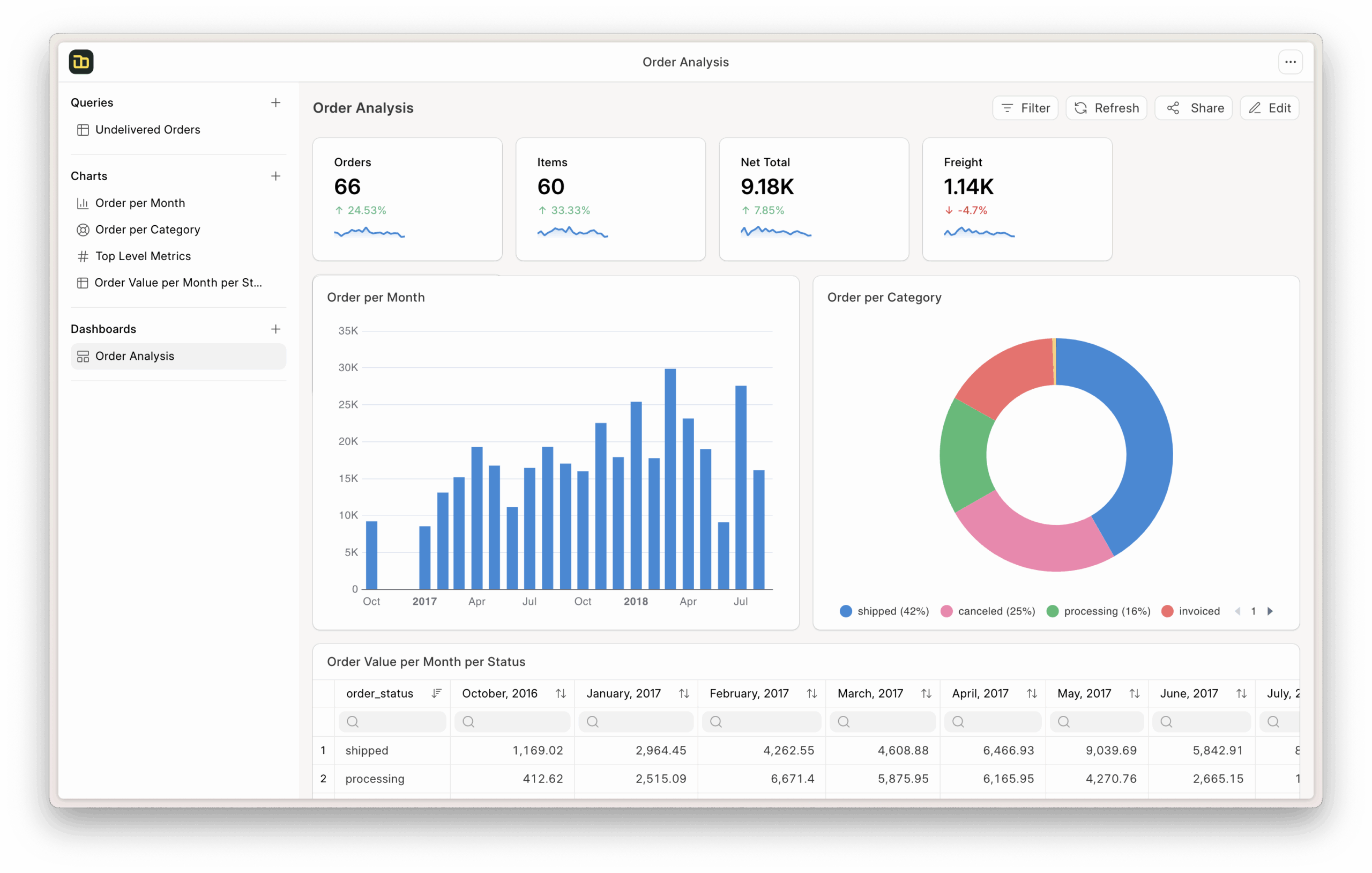
2. Fully Integrated Business Management Platform
Unlike many ERP solutions that require multiple add-ons, ERPNext combines Accounting, CRM, Sales, Inventory, Manufacturing, HR, Projects, and more within a single unified platform. This eliminates data silos and improves operational efficiency.

3. Faster User Adoption with an Intuitive Interface
ERPNext features a modern, user-friendly interface that is easy to learn and navigate. Employees require less training, enabling faster adoption and improved productivity across departments.
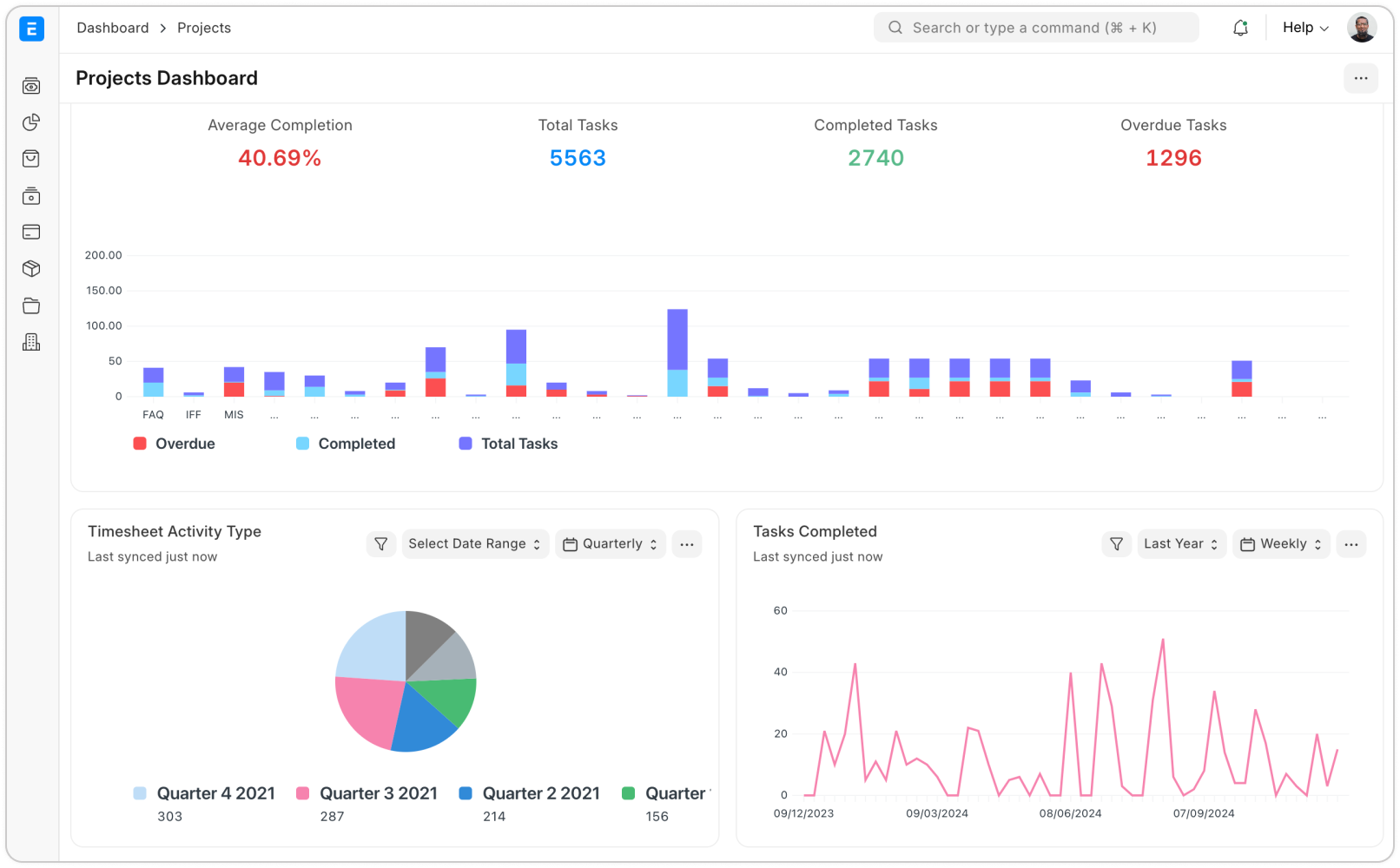
4. Scalable Cloud ERP for Growing Businesses
Whether you’re a startup, SME, or large enterprise, ERPNext grows with your business. Its scalable architecture supports increasing users, transactions, locations, and business complexity without compromising performance.
