
In the oil and gas industry, operational efficiency, asset management, compliance, and cost control are critical to success. We help organizations streamline procurement, manage inventory, track assets, monitor projects, and optimize workforce performance. With real-time visibility across operations and finances, ERPNext improves productivity, reduces risks, and supports sustainable business growth.
ERPNext for Oil & Gas

Streamline Oil & Gas Operations
Managing oil and gas operations involves coordinating complex processes across production, maintenance, procurement, inventory, and workforce management. ERPNext provides a centralized platform that integrates these critical functions, enabling organizations to gain real-time visibility into daily operations.
How ERPNext Helps
The platform enables better resource utilization, improved equipment performance, and more effective supply chain management, ensuring operations run smoothly across multiple locations.
Key Features & Benefits
1. Asset & Equipment Management
Equipment Lifecycle Tracking
Monitor critical assets and equipment from acquisition to retirement, ensuring complete visibility into asset performance and utilization.
Preventive Maintenance Scheduling
Schedule routine maintenance activities to reduce unexpected breakdowns and improve equipment reliability.
Equipment Utilization Monitoring
Track equipment usage across drilling sites, refineries, and operational facilities to maximize productivity.
Maintenance Cost Control
Monitor repair, maintenance, and operating expenses to improve asset profitability and reduce operational costs.
2. Procurement & Supplier Management
Purchase Request Automation
Streamline procurement workflows through automated purchase requests and approval processes.
Supplier Performance Evaluation
Monitor vendor delivery times, quality standards, and procurement history to strengthen supplier relationships.
Contract Management
Manage supplier contracts, pricing agreements, and procurement terms from a centralized repository.
Purchase Order Management
Create, track, and manage purchase orders efficiently to improve procurement visibility and control.
3. Inventory & Spare Parts Management
Real-Time Inventory Tracking
Track inventory levels, spare parts, tools, and consumables across multiple warehouses and operational sites.
Spare Parts Management
Maintain optimal stock levels for critical spare parts to minimize equipment downtime and operational disruptions.
Automated Replenishment Planning
Set reorder points and automate procurement processes to ensure uninterrupted operations.
Warehouse Management
Manage inventory efficiently across refineries, storage facilities, and remote field locations from a centralized platform.
4. Financial Management & Cost Control
Project Cost Tracking
Monitor operational and project-related expenses in real time to maintain budget control and profitability.
Budget Planning & Forecasting
Develop accurate budgets and financial forecasts based on operational requirements and historical data.
Revenue & Expense Management
Track income streams, operating expenses, and profitability across multiple business units and projects.
Financial Reporting & Analytics
Generate real-time financial reports, cash flow statements, and performance dashboards for informed decision-making.
5. Workforce & Contractor Management
Employee Attendance Tracking
Monitor workforce attendance, shift schedules, and field operations across multiple locations.
Labor Cost Management
Track labor hours, timesheets and workforce costs against projects, departments, and operational activities.
Contractor Management
Manage contractor onboarding, assignments, certifications, and performance within a centralized system.
Payroll & Compensation
Automate payroll processing while ensuring compliance with labor regulations and company policies.
6. Health, Safety & Compliance
Regulatory Compliance Tracking
Monitor compliance requirements, permits, inspections, and reporting obligations across operations.
Safety Incident Management
Record, investigate, and track workplace incidents to improve safety performance and risk mitigation.
Certification & Training
Track employee certifications, safety training programs, and compliance qualifications.
Audit Trail & Document Control
Maintain complete records of inspections, approvals, and compliance activities for audit readiness.
Integration with Third-Party Applications
Extend the capabilities of ERPNext by seamlessly integrating with third-party applications and business tools. Connect your ERP system with banking platforms, eCommerce stores, communication tools, and other business-critical systems to automate workflows, eliminate data silos, and improve operational efficiency.
Payment Gateways
Integrate ERPNext with leading payment gateways such as Mpesa, MTN Momo, Boya etc to securely process online payments & reconcilliation.
Compliance Tools
Stay compliant with industry regulations and local tax requirements through automated compliance management.
How ERPNext Eliminates Common Oil & Gas Challenges
1. Complex Asset and Equipment Management
Challenge:
Oil and gas companies rely on expensive equipment and critical assets that require constant monitoring, maintenance, and performance tracking.
Solution:
ERPNext provides comprehensive asset management, equipment tracking, preventive maintenance scheduling, and lifecycle monitoring from a centralized platform.
2. Inefficient Inventory and Spare Parts Management
Challenge:
Managing large volumes of inventory, spare parts, and critical supplies across multiple locations can be difficult and costly.
Solution:
ERPNext offers real-time inventory tracking, warehouse management, automated stock replenishment, and spare parts monitoring.
3. High Operational Costs
Challenge:
Fluctuating market conditions and rising operational expenses can significantly impact profitability.
Solution:
ERPNext enables real-time cost tracking, budget management, procurement optimization, and operational performance monitoring.
4. Regulatory Compliance and Safety Management
Challenge:
The oil and gas industry faces strict environmental, health, safety, and regulatory requirements that must be carefully managed.
Solution:
ERPNext centralizes compliance documentation, audit trails, safety records, permits, and approval workflows to support regulatory requirements.
5. Procurement and Supply Chain Disruptions
Challenge:
Delays in procurement and supply chain operations can impact production schedules and increase operational risks.
Solution:
ERPNext streamlines procurement processes, supplier management, purchase approvals, and supply chain visibility through automated workflows.
6. Workforce Management Across Multiple Locations
Challenge:
Managing employees, contractors, and field teams across remote sites can create operational and administrative challenges.
Solution:
ERPNext provides workforce management tools for attendance tracking, timesheets, payroll processing, shift scheduling, and contractor management.
7. Limited Operational Visibility
Challenge:
Disparate systems and manual processes make it difficult to gain real-time insights into operations, production, and financial performance.
Solution:
ERPNext integrates operations, maintenance, procurement, inventory, HR, and finance into a single unified platform with real-time dashboards and reporting.
8. Financial Control and Project Cost Management
Challenge:
Large-scale exploration, drilling, and infrastructure projects require strict financial oversight and accurate cost tracking.
Solution:
ERPNext integrates project accounting, budgeting, expense tracking, invoicing, and financial reporting to provide complete financial control.
Why Businesses Choose ERPNext Over Traditional ERP Systems
Discover how ERPNext delivers greater flexibility, lower costs, faster implementation, and complete business visibility compared to conventional ERP solutions, helping organizations streamline operations and accelerate growth.
1. Open-Source ERP with Lower Total Cost of Ownership
ERPNext provides enterprise-grade ERP capabilities without the high licensing fees associated with traditional ERP systems. Businesses can reduce implementation, subscription, and maintenance costs while retaining full control over their ERP environment.
2. Fully Integrated Business Management Platform
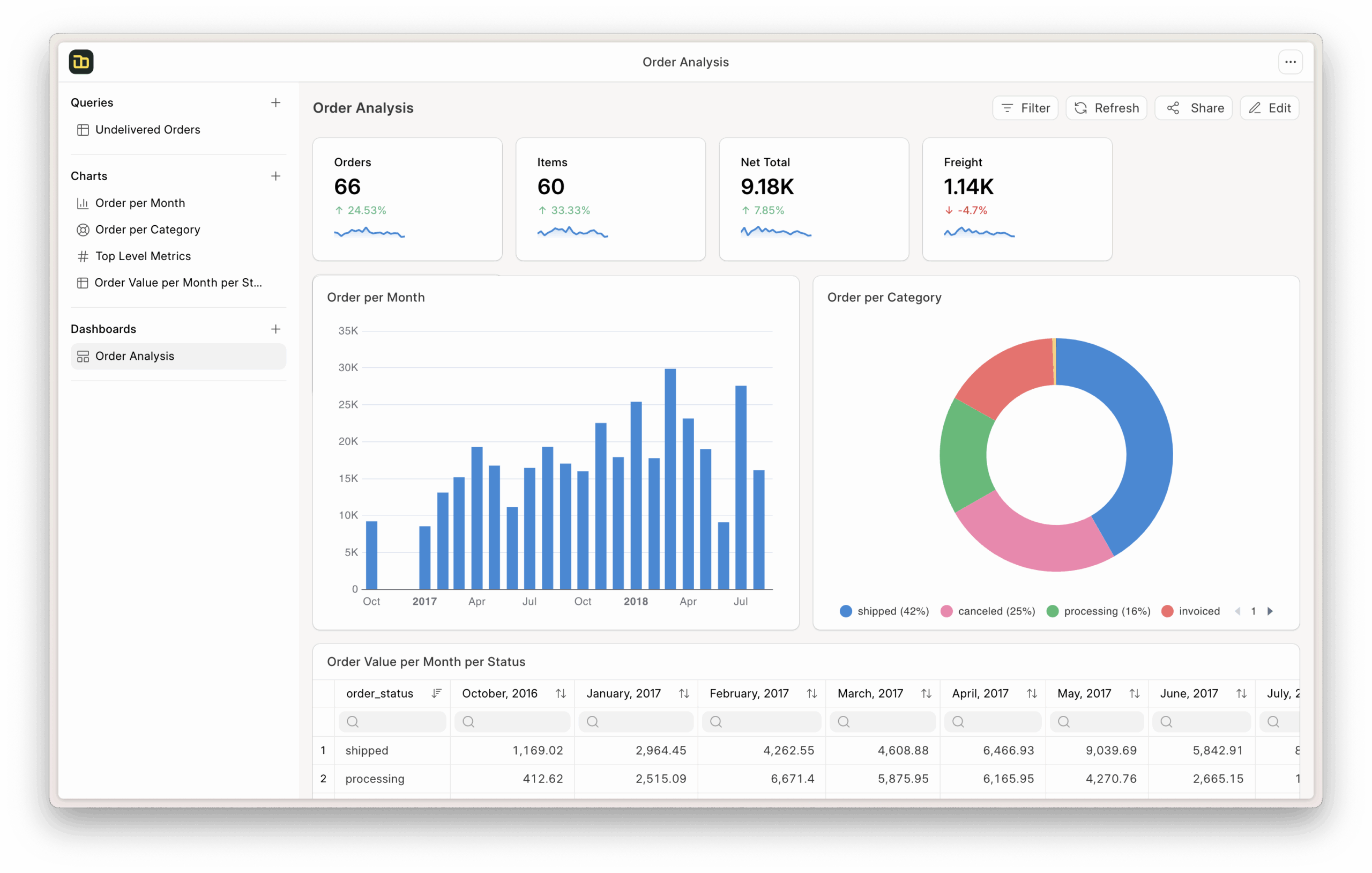
Unlike many ERP solutions that require multiple add-ons, ERPNext combines Accounting, CRM, Sales, Inventory, Manufacturing, HR, Projects, and more within a single unified platform. This eliminates data silos and improves operational efficiency.

3. Faster User Adoption with an Intuitive Interface
ERPNext features a modern, user-friendly interface that is easy to learn and navigate. Employees require less training, enabling faster adoption and improved productivity across departments.
4. Scalable Cloud ERP for Growing Businesses
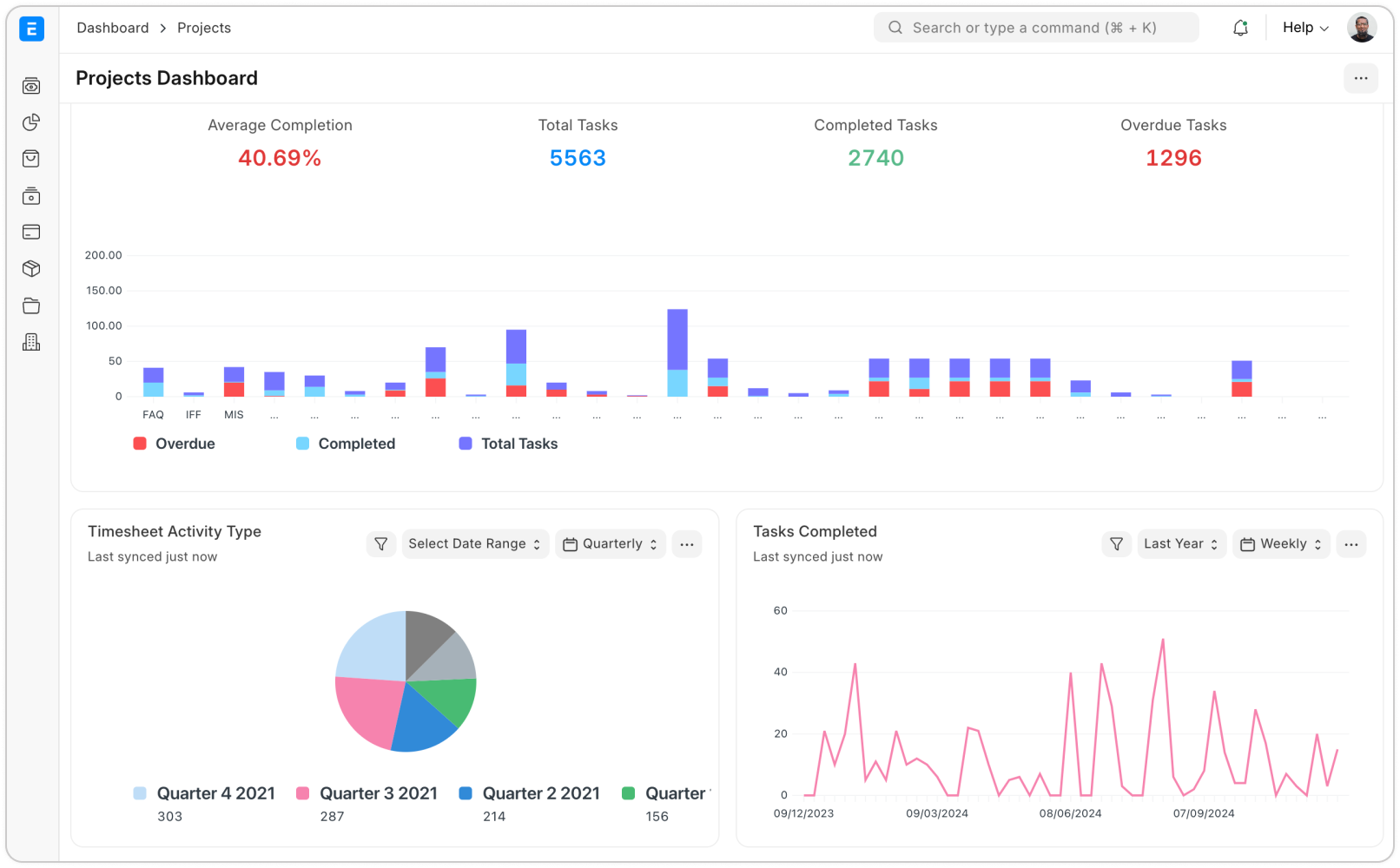
Whether you’re a startup, SME, or large enterprise, ERPNext grows with your business. Its scalable architecture supports increasing users, transactions, locations, and business complexity without compromising performance.
