
How a Construction Company Improved Project Cost Control with ERPNext
Effective project cost control is critical to the success of any construction business. In this case study, discover how a growing construction company partnered with ERPNext Experts Africa to replace manual processes with ERPNext. By centralizing project management, procurement, inventory, and finance, the company improved cost control, streamlined operations, and gained real-time visibility into project performance.
Project Overview
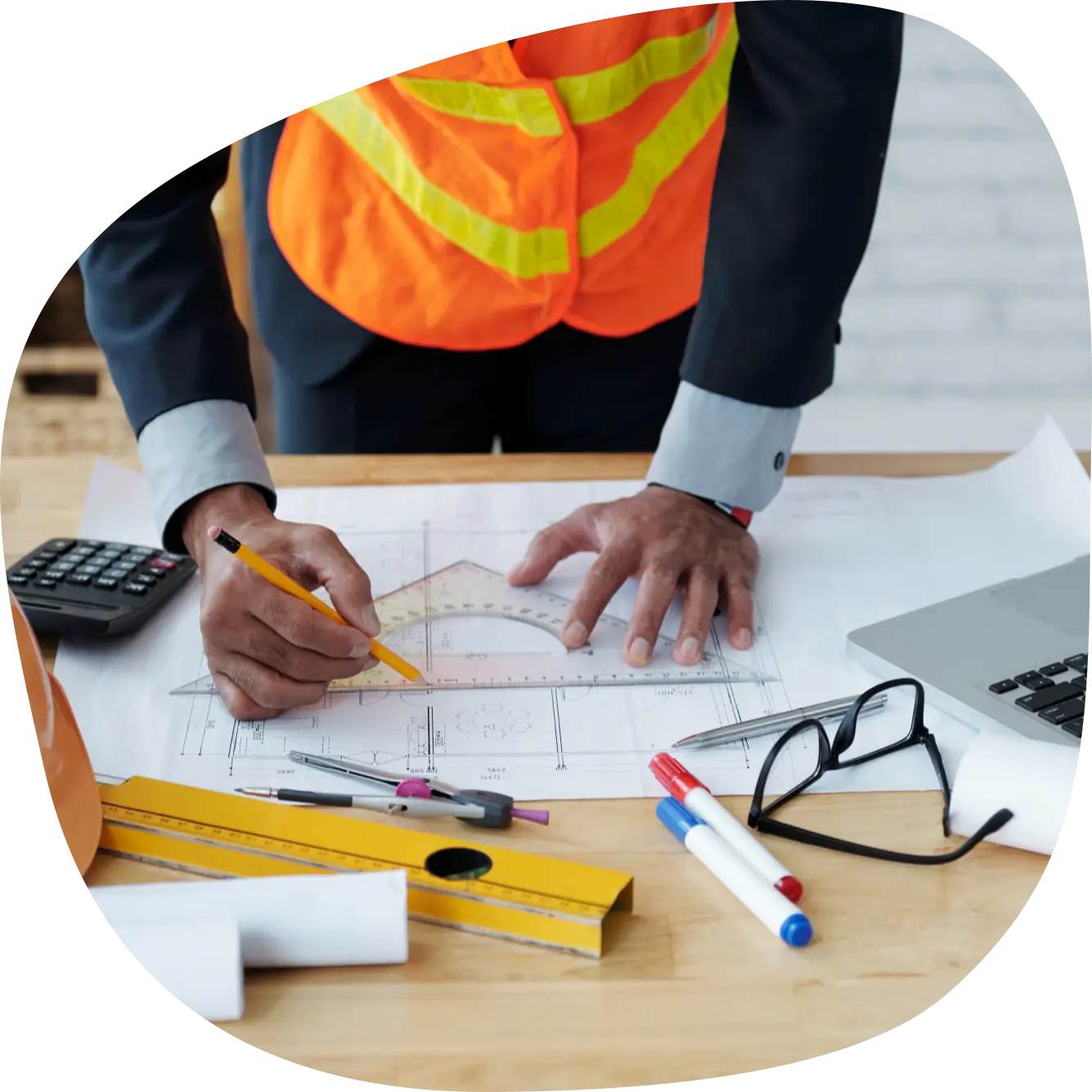
Our client is a growing construction company managing residential, commercial, and infrastructure projects across multiple locations. As the business expanded, managing project costs, procurement, subcontractors, and resources became increasingly challenging, leading to budget overruns, delayed reporting, and limited project visibility.
The Challenge
The company relied on spreadsheets and disconnected systems to manage projects, procurement, finance, and resource allocation. This resulted in several operational challenges, including:
- Limited visibility into project budgets and costs
- Manual procurement and purchase approvals
- Difficulty tracking project progress and resource utilization
- Poor coordination between project teams and finance
- Delayed reporting on project profitability
- Inaccurate material and equipment tracking
- Limited control over subcontractor expenses
- Time-consuming financial reconciliation
The company required a centralized ERP platform capable of integrating project management, procurement, inventory, and finance while providing real-time project cost visibility.
The Solution
ERPNext Experts Africa implemented a fully integrated ERPNext solution tailored to the company’s construction operations. The implementation included:
- Project Management
- Project Costing & Budget Control
- Procurement & Supplier Management
- Inventory & Material Management
- Accounting & Financial Management
- Asset & Equipment Management
- Employee & Resource Management
- Workflow Automation
- Custom Reports & Dashboards
- User Training & Go-Live Support
Business processes were redesigned to improve collaboration, automate approvals, and strengthen project cost control.
Business Improvements
Following implementation, the company achieved significant operational improvements, including:
- Improved project budget monitoring and cost control
- Centralized management of projects and financial data
- Faster procurement and approval workflows
- Better tracking of materials, equipment, and project resources
- Improved collaboration between project, procurement, and finance teams
- Real-time visibility into project profitability
- Standardized project management processes
- Enhanced financial reporting and operational visibility
- Better decision-making through live dashboards
- Improved project delivery and resource planning
ERPNext Modules Implemented
Project Management
Procurement
Accounting
Inventory
Asset Management
HR & Casual Labour
CRM
Payroll
Reporting & Dashboards
ERPNext Features That Delivered Value
Project Cost Management
Project budgets, expenses, and profitability are now monitored in real time, enabling better financial control throughout the project lifecycle.
Procurement Automation
Purchase requests, supplier quotations, approvals, and purchase orders are managed through automated workflows, reducing delays and improving purchasing efficiency.
Inventory & Material Management
Construction materials are tracked across warehouses and project sites, improving inventory accuracy and reducing material shortages.
Resource & Equipment Management
Equipment, tools, and employee resources are centrally managed, improving utilization and project planning.
Financial Management
Project-related financial transactions automatically update accounting records, improving reporting accuracy and reducing manual reconciliation.
Management Dashboards
Project managers and executives gain real-time visibility into project progress, budgets, procurement activities, and financial performance through interactive dashboards.
Key Takeaways
By implementing ERPNext, the construction company replaced fragmented systems with a centralized ERP platform that unified project management, procurement, inventory, finance, and resource management. The new system improved project cost control, strengthened collaboration, enhanced operational visibility, and positioned the business for sustainable growth.
Looking to Improve Project Cost Control with ERPNext?
Our ERPNext Implementation in 4 Simple Steps
Implementing ERPNext doesn’t have to be complex. Our streamlined 4-step process ensures a smooth, efficient, and tailored deployment for your business.