
ERPNext helps non-profit organizations streamline donor management, fundraising, grant tracking, volunteer coordination, and financial operations from a single integrated platform. Gain real-time visibility, improve accountability, automate workflows, and maximize your organization’s impact while reducing administrative overhead and operational costs.
ERPNext for Non-Profit

Streamline Non-Profit Operations
From donor management and grant tracking to fund accounting, volunteer coordination, and impact reporting, ERPNext empowers non-profit organizations to maximize resources, improve stakeholder engagement, and focus on delivering meaningful social impact.
How ERPNext Helps
ERPNext centralizes donor records, donation tracking, fundraising campaigns, and communication history in a single platform, enabling stronger donor relationships, improved transparency, and more effective fundraising efforts.
Key Features & Benefits
1. Donor & Fundraising Management
Donor Database Management
Maintain a centralized database of donors, including contribution history, communication records, and engagement activities, to strengthen donor relationships and improve fundraising efforts.
Donation Tracking
Track one-time, recurring, and campaign-based donations with complete transparency, ensuring accurate financial records and donor accountability.
Fundraising Campaign Management
Plan, execute, and monitor fundraising campaigns from a single platform, helping your organization increase donor participation and fundraising success.
Donor Engagement
Build long-term donor relationships through personalized communication, targeted outreach, and engagement tracking.
2. Grant Management
Grant Application Tracking
Fund Allocation Management
Monitor how grant funds are distributed and utilized across projects and programs to ensure proper financial stewardship.
Compliance Monitoring
Stay compliant with grant requirements, donor expectations, and reporting obligations through structured workflows and documentation.
Grant Reporting
Generate detailed financial and program reports for grant providers, donors, and stakeholders with minimal administrative effort.
3. Financial Management
Fund Accounting
Manage restricted and unrestricted funds separately to improve financial transparency, accountability, and regulatory compliance.
Budget Management
Create and monitor budgets across programs, departments, and initiatives to ensure resources are allocated effectively.
Expense Tracking
Track operational and program-related expenses in real time to improve financial oversight and cost control.
Financial Reporting
Access accurate financial statements, dashboards, and reports to support strategic planning and informed decision-making.
4. Program & Project Management
Program Planning
Organize nonprofit programs, community initiatives, and development projects with greater visibility and control.
Task & Activity Tracking
Monitor project milestones, activities, and deliverables to ensure programs are completed on time and within budget.
Project Budgeting & Accounting
Efficiently allocate staff, volunteers, funding, and resources across multiple programs and projects.
Impact Measurement
Track program outcomes and performance indicators to measure social impact and demonstrate value to stakeholders.
5. Asset & Resource Management
Asset Tracking
Monitor organizational assets, equipment, and donated resources throughout their lifecycle from acquisition to disposal.
Inventory Management
Track inventory levels, donated goods, supplies, and resources across multiple programs and locations.
Resource Utilization
Optimize the use of facilities, equipment, and operational resources to improve efficiency and reduce waste.
Maintenance Management
Schedule preventive maintenance activities and track repairs to maximize asset performance and longevity.
6. Reporting & Nonprofit Analytics
Operational Dashboards
Access real-time dashboards that provide visibility into fundraising, programs, finances, volunteers, and organizational performance.
Donor & Fundraising Analytics
Analyze donor behavior, campaign effectiveness, and fundraising trends to improve future fundraising strategies
Impact Reporting
Measure and communicate program outcomes, community impact, and organizational achievements to stakeholders and donors.
Data-Driven Decision Making
Leverage real-time insights and comprehensive analytics to improve transparency, accountability, and mission-driven growth.
Integration with Third-Party Applications
Extend the capabilities of ERPNext by seamlessly integrating with third-party applications and business tools. Connect your ERP system with banking platforms, eCommerce stores, communication tools, and other business-critical systems to automate workflows, eliminate data silos, and improve operational efficiency.
Payment Gateways
Integrate ERPNext with leading payment gateways such as Mpesa, MTN Momo, Boya etc to securely process online payments & reconcilliation.
Compliance Tools
Stay compliant with industry regulations and local tax requirements through automated compliance management.
How ERPNext Eliminates Common Non-Profit Challenges
1. Lack of Financial Transparency
Challenge:
Many non-profits struggle to track donations, grants, expenses, and fund allocations accurately, making financial reporting difficult.
Solution:
ERPNext provides centralized financial management, real-time accounting, and detailed audit trails to ensure complete transparency and accountability.
2. Inefficient Donor Management
Challenge:
Managing donor information, donation history, and communication through spreadsheets or disconnected systems can lead to missed opportunities and reduced engagement.
Solution:
ERPNext offers an integrated donor management system that tracks donor interactions, contributions, and fundraising campaigns in one place.
3. Complex Grant Tracking and Compliance
Challenge:
Tracking multiple grants, reporting requirements, and compliance deadlines manually can be time-consuming and error-prone.
Solution:
ERPNext automates grant management by tracking funding allocations, project expenses, reporting deadlines, and compliance requirements.
4. Limited Visibility into Programs and Projects
Challenge:
Non-profits often find it difficult to measure project progress, monitor budgets, and assess program outcomes effectivel
Solution:
ERPNext provides real-time project tracking, budget monitoring, task management, and performance reporting.
5. Volunteer Coordination Difficulties
Challenge:
Managing volunteer schedules, assignments, attendance, and communication manually can create administrative inefficiencies.
Solution:
ERPNext centralizes volunteer information and streamlines scheduling, task assignments, and activity tracking.
6. Disconnected Systems and Data Silos
Challenge:
Using separate tools for finance, donor management, projects, and HR often results in duplicate data entry and inconsistent information.
Solution:
ERPNext integrates all core organizational functions into a single platform with real-time data synchronization.
7. Budget Overruns and Resource Mismanagement
Challenge:
Without real-time budget tracking, non-profits may struggle to control spending and allocate resources effectively.
Solution:
ERPNext provides budget management tools, expense tracking, and automated alerts for budget variances.
7. Difficulty Measuring Organizational Impact
Challenge:
Non-profits often lack reliable data and reporting tools to demonstrate outcomes to donors, boards, and stakeholders.
Solution:
ERPNext offers customizable dashboards and reports to track key performance indicators, program success, and fundraising results.
Why Businesses Choose ERPNext Over Traditional ERP Systems
Discover how ERPNext delivers greater flexibility, lower costs, faster implementation, and complete business visibility compared to conventional ERP solutions, helping organizations streamline operations and accelerate growth.
1. Open-Source ERP with Lower Total Cost of Ownership
ERPNext provides enterprise-grade ERP capabilities without the high licensing fees associated with traditional ERP systems. Businesses can reduce implementation, subscription, and maintenance costs while retaining full control over their ERP environment.
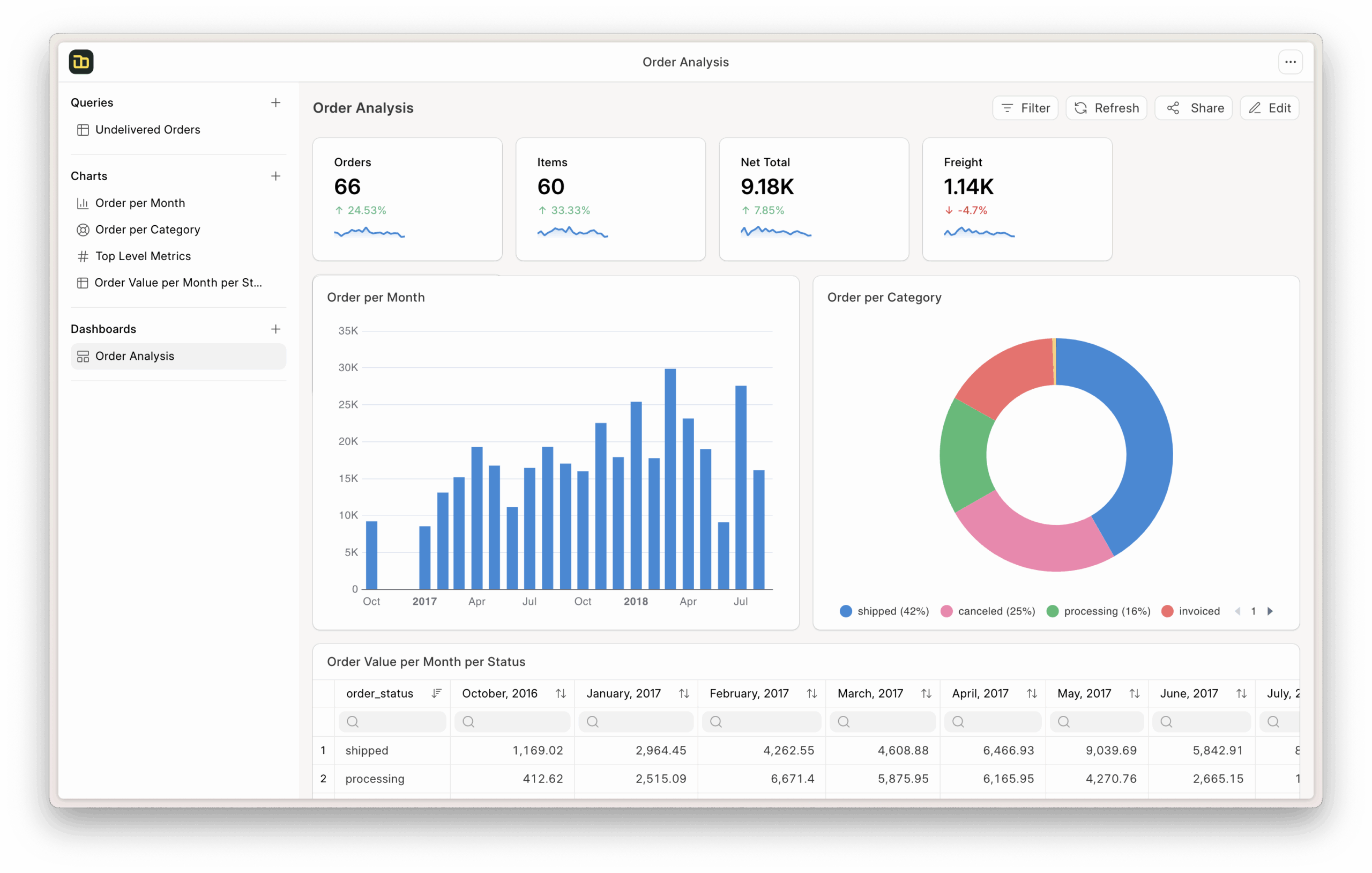
2. Fully Integrated Business Management Platform
Unlike many ERP solutions that require multiple add-ons, ERPNext combines Accounting, CRM, Sales, Inventory, Manufacturing, HR, Projects, and more within a single unified platform. This eliminates data silos and improves operational efficiency.

3. Faster User Adoption with an Intuitive Interface
ERPNext features a modern, user-friendly interface that is easy to learn and navigate. Employees require less training, enabling faster adoption and improved productivity across departments.
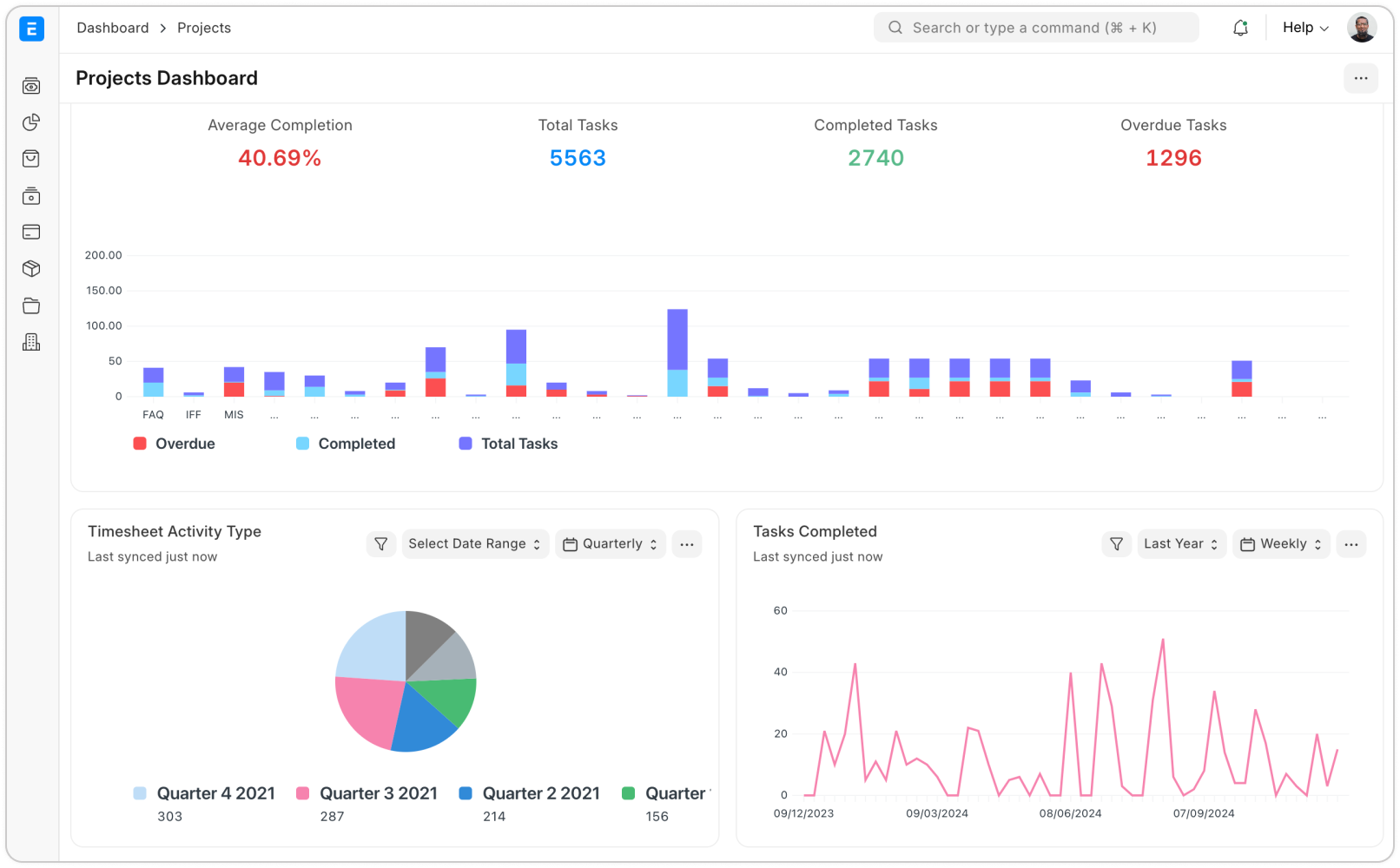
4. Scalable Cloud ERP for Growing Businesses
Whether you’re a startup, SME, or large enterprise, ERPNext grows with your business. Its scalable architecture supports increasing users, transactions, locations, and business complexity without compromising performance.
